Recycling and Sustainability at Southfields Storage
 At Southfields Storage, sustainability is not treated as an afterthought; it is built into the way the site operates every day. Our recycling and sustainability approach focuses on reducing waste, improving resource recovery, and supporting a cleaner local environment for customers, neighbours, and the wider community. As part of our long-term environmental commitment, we have set a recycling percentage target of 90% for operational waste streams, with the aim of diverting as much material as possible from landfill through careful separation, reuse, and responsible processing.
Storage facilities can generate a surprising variety of recyclable materials, from cardboard and shrink wrap to damaged pallets, office paper, metal fixtures, and end-of-life packaging. Southfields Storage works to sort these materials as close to source as possible so that valuable items do not get mixed with general refuse. This makes our Southfields storage recycling process more efficient and helps ensure materials enter the correct recovery stream. By focusing on separation at the point of disposal, we can improve recovery rates while lowering contamination in the waste chain.
We also keep a close eye on how local boroughs approach waste separation, because regional collection rules often influence the best recycling methods. In many parts of southwest and west London, councils encourage residents and businesses to separate paper, cardboard, food waste, plastics, and glass into distinct streams, and that practical attitude informs our own site procedures. Storage sustainability depends on good sorting habits, especially when items come from varied customer moves or business clear-outs. 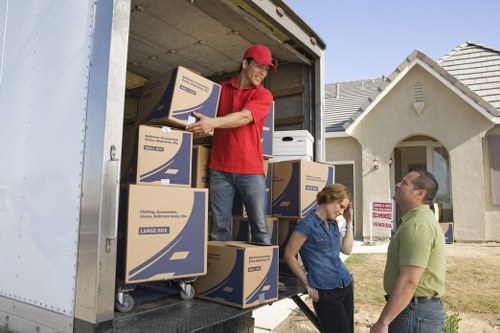 Aligning with local waste separation expectations helps us reduce avoidable waste and support a more circular flow of materials.
Our sustainability work extends beyond bins and collection schedules. Southfields Storage prioritises procurement choices that reduce environmental impact, from durable reusable materials to suppliers that share our standards for ethical handling and recovery. We are also careful with energy use, lighting, and operational planning, because a lower-waste site is only part of the picture. A recycling-focused storage company must also think about carbon reduction, transport emissions, and the lifecycle of the products it uses.
 One of the most visible ways we support this goal is through our low-carbon vans. Where transport is required, we use efficient vehicles designed to reduce emissions and fuel use, helping cut the carbon footprint associated with moves, collections, and everyday operations. This is especially important in urban areas where short journeys can add up quickly. By investing in lower-emission transport, Southfields Storage sustainability supports cleaner air and a more responsible logistics model.
We also recognise the importance of keeping reusable goods in circulation for longer. Many items that are no longer needed by one customer can still be useful to someone else, provided they are in safe, suitable condition. That is why our waste strategy is linked to reuse opportunities wherever possible. Rather than treating everything as disposable, we look first for the best environmental outcome, whether that means repair, reuse, or recycling. This approach makes our storage recycling programme more effective and aligns with the principles of waste hierarchy.
Local transfer stations play an important role in ensuring recyclable materials are handled properly after they leave the site. Southfields Storage works with approved local transfer stations that can receive separated waste streams and direct them toward specialist processors. These facilities are essential to keeping materials in the system, especially for cardboard, mixed paper, rigid plastics, metals, and wood. Using responsible transfer routes helps us maintain traceability and supports better recovery outcomes for the community.
Because the area includes a mix of residential streets, small businesses, and busy transport corridors, the types of waste we encounter can vary widely. In practice, that means careful sorting matters even more. Packaging from household moves may be dominated by cardboard and bubble wrap, while business storage clear-outs can include files, shelving components, and office materials. By adapting our handling process to these different waste profiles, Southfields storage recycling becomes more precise and less wasteful.  It also means we can respond to borough-level expectations around separate collections and cleaner recycling streams.
Another important part of our sustainability programme is collaboration with local charities and community organisations. We support partnerships with charities that help redistribute useful items such as furniture, household goods, office equipment, and other reusable materials. These partnerships give quality items a second life and reduce the need for new production, which in turn lowers the environmental impact associated with manufacturing and transport. For Southfields Storage, charitable reuse is a practical extension of environmental responsibility.
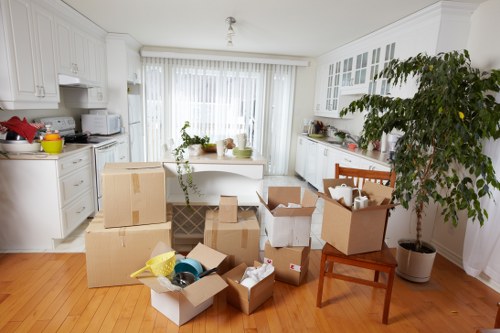 In many cases, a charitable route is the best outcome for items that are still functional but no longer needed. This might include desks, chairs, shelving, or boxed household goods that can be passed on to organisations supporting families, community projects, or people setting up new homes. By building these relationships into our process, we make storage sustainability more meaningful and local. It is not simply about diverting waste; it is about creating value where possible and reducing the demand for virgin materials.
Our approach is also shaped by the broader environmental priorities of the local area. Borough policies often encourage cleaner recycling, responsible disposal of bulky items, and better separation of mixed waste from recoverable materials. That focus supports our own operations, especially when handling corrugated cardboard, paper-based packing, recyclable plastics, and metal fittings. Even small improvements, repeated consistently, can make a significant difference in reducing residual waste and supporting better recycling performance across the district.
At Southfields Storage, we view sustainability as an ongoing commitment rather than a one-time initiative. Our recycling percentage target, low-carbon vans, local transfer station partnerships, and charity collaborations all work together to create a practical environmental framework. The result is a Southfields Storage recycling approach that is cleaner, more efficient, and more responsive to local needs. Through careful separation, responsible transport, and reuse-led thinking, we aim to keep improving year after year while supporting a greener future for the community we serve.